Learning Programme
Al Balāgh OnlineʿĀlimiyyah Programme
An advanced, specialist path: training scholars to engage modern questions from their classical roots.
- Format
- Live onlineTaught live at a scheduled time
- Starts
- 5th September 2026
- Structure
- 4 Levels
- Batches
- 9 Live BatchesWeekday & Weekend
About this course
About the Programme
The Al Balāgh Online ʿĀlimiyyah Programme is a comprehensive, advanced course in Islamic scholarship — built to bridge the classical tradition with the questions of the modern world. Following the esteemed Dars-e-Nizāmī syllabus across four levels, it trains students, working professionals and academics to engage contemporary issues from the roots of classical theology, jurisprudence and language, guided by one-to-one mentorship with traditional scholars. Graduates earn a recognised shahādah and ijāza and join an international network of ʿulamā.
• Open to all aged 16+ — students, working professionals and academics
• Follows the esteemed Dars-e-Nizāmī syllabus across four levels
• Covers 15 essential traditional Islamic sciences at an advanced level
• Initial Ḥanafī focus, broadening to all Sunnī schools in later years
• Shahādah (certification) and ijāza (authorization) on completion
Tradition, merged with the modern world
Universities can teach about Islam, but they cannot replace a centuries-old tradition in which knowledge is transmitted alongside spiritual and personal development. This programme merges that traditional learning with modern scholarship to produce an Islamic epistemology distinct from the Western academy — carried through a living chain of teachers that reaches back to the Prophet ﷺ.
An advanced, specialist path: training scholars to engage modern questions from their classical roots.
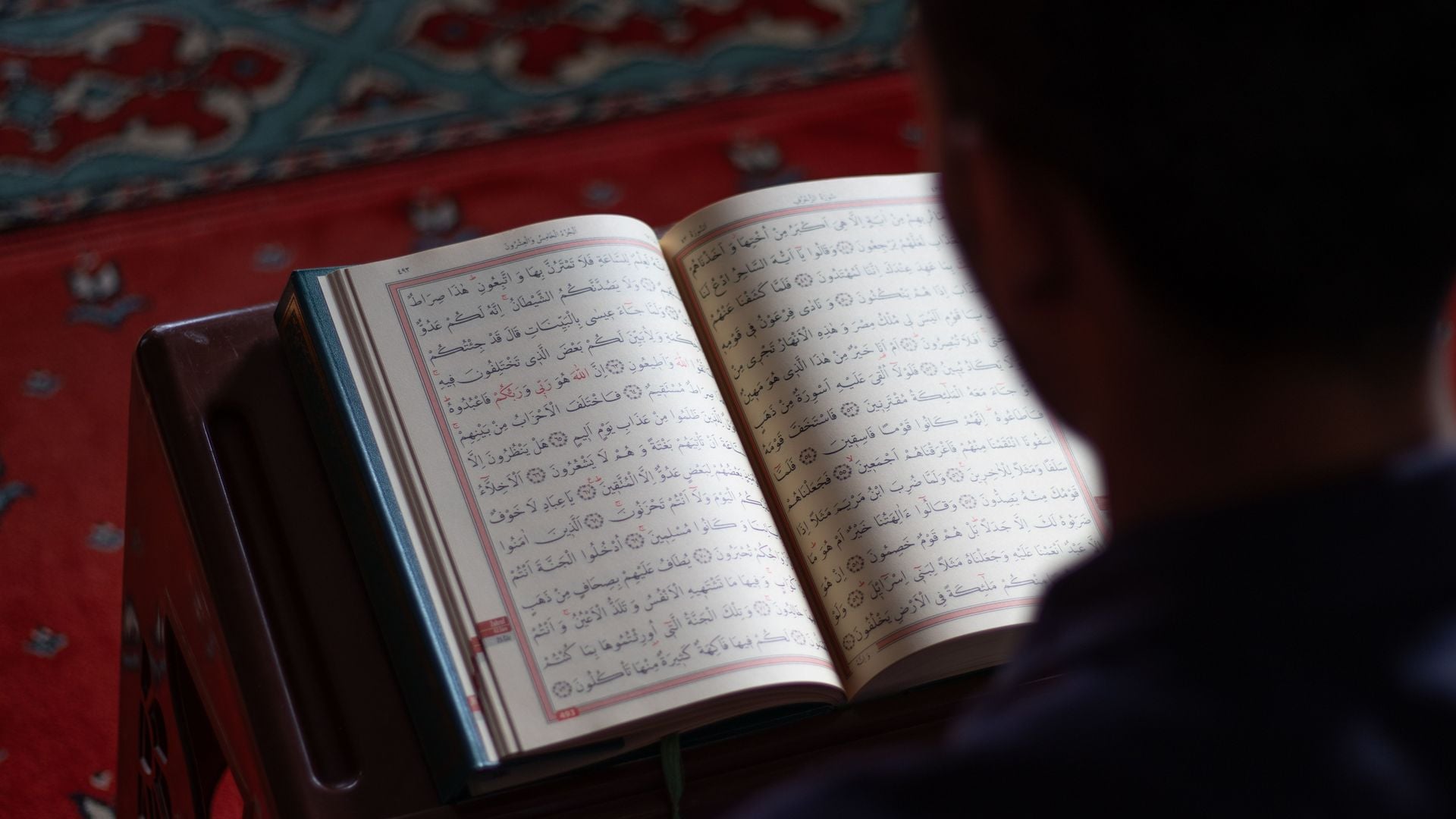
Explore the wealth of the traditional sciences
The Islamic sciences have always grown in response to new intellectual challenges — and today those range across logic, metaphysics, artificial intelligence, evolution, genetics, Islamic psychology and societal ethics. Much of the classical scholarship that speaks to these questions remains under-studied, some of it still in manuscript. The programme returns to that wealth and equips students to bring it to bear on questions Muslims have never faced before.
Addressing the questions of our time
Meeting these challenges works in two directions. One returns to the sources — theology, law, jurisprudence and ethics — to draw out the principles that frame an authentic response, demanding command of kalām, tafsīr, ḥadīth, fiqh, language and history. The other reaches outward, where these disciplines now intersect with philosophy, epistemology, politics and the social sciences. The programme builds both the depth and the breadth to respond through a genuinely multidisciplinary approach.
Become one of the heirs of the Prophet ﷺ
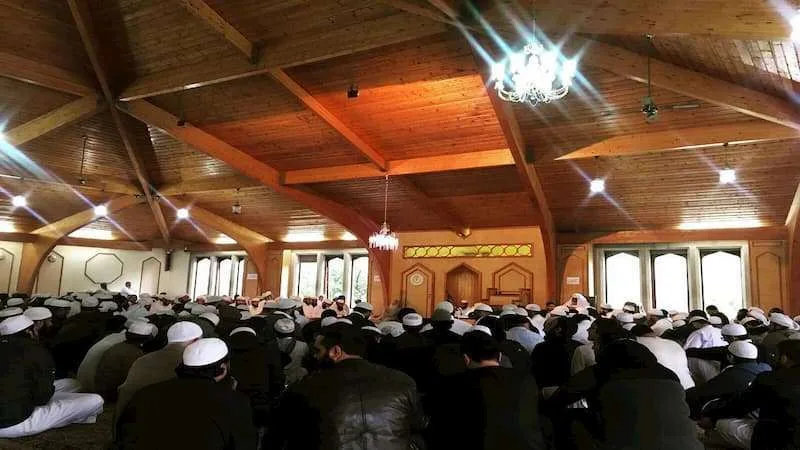
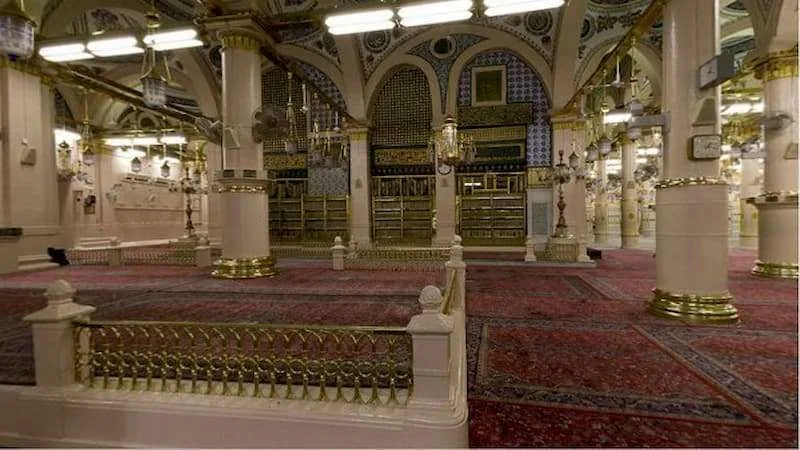
At its heart, the programme preserves the madrasa tradition. Every senior scholar teaching on it was trained through an unbroken chain of transmission reaching to the Prophet ﷺ, and students form the close academic and spiritual relationship with their teachers that this tradition requires — a virtual madrasa experience woven through the syllabus. On completion, students receive a formal ijāza and ʿĀlimiyyah sanad, joining the heirs of the Prophets: scholars equipped to make a meaningful contribution in their field.
A chain of learning that extends from your teachers all the way to the Prophet ﷺ.
Structure
How the programme is structured
| Study mode | Semesters per level | Levels |
|---|---|---|
| Part-Time | 4 semesters | 4 |
| Full-Time | 2–3 semesters | 4 |
The programme runs over four levels — ʿĀlimiyyah Foundation, Intermediate, Advanced, and Dawrah Ḥadīth.
Part-Time16 semesters · 8 years
- Level 1ʿĀlimiyyah Foundation2 years · 8 streams · 30 subjects
Year 1
S1S2Year 2
S3S4 - Level 2ʿĀlimiyyah Intermediate2 years · 9 streams · 37 subjects
Year 3
S5S6Year 4
S7S8 - Level 3ʿĀlimiyyah Advanced2 years · 9 streams · 31 subjects
Year 5
S9S10Year 6
S11S12 - Level 4ʿĀlimiyyah Final (Daurah Hadith)2 years · 1 stream · 13 subjects
Year 7
S13S14Year 8
S15S16
Full-Time10 semesters · 5 years
- Level 1ʿĀlimiyyah Foundation1 year · 8 streams · 30 subjects
Year 1
S1S2 - Level 2ʿĀlimiyyah Intermediate2 years · 9 streams · 37 subjects
Year 2
S3S4Year 3
S5 - Level 3ʿĀlimiyyah Advanced2 years · 9 streams · 31 subjects
Year 3
S6Year 4
S7S8 - Level 4ʿĀlimiyyah Final (Daurah Hadith)1 year · 1 stream · 13 subjects
Year 5
S9S10
The syllabus
What you study at each level
Part-Time · 4 Levels · 10+ Learning Streams · Flexible duration
Level 1
4 Semesters · 2 Years
ʿĀlimiyyah Foundation
الشهادة الثانوية العامة في العلوم الإسلامية واللغة العربية
8 streams · 30 subjects
Islamic Theology & ‘Aqīdah Studies2 subjects
- Fundamental Principles of Islamic Creed
- Introduction to Islamic Theology & Philosophy
Studied from
- Al-ʿAqīdah al-ṬaḥāwiyahImam Abu Ja'far Ahmad ibn Muhammad al-Tahawi
- Thematic Learning through Presentations
Qur’ānic Studies3 subjects
- Qur’ān Translation & Tafsir - Essentials 1
- Qur’ān Translation & Tafsir - Essentials 2
- ʿQur’ānic Studies Level 1
Studied from
- Ma'ariful Qur'anMufti Shafi Uthmani
- An Approach to the Quranic SciencesMufti Taqi Usmani
Ḥadīth Studies3 subjects
- Sharh al Arbaeen
- Al-Adab Al-Mufrad
- Hadith Studies Level 1
Studied from
- Sharh al ArbaeenImām al-Nawawī
- Al-Adab Al-MufradImam Muhammad ibn Ismail al-Bukhari
- Authority of SunnahMufti Taqi Usmani
Fiqh & Contemporary Fiqh Studies4 subjects
- Al Fiqh ul Muyassar Part 1
- Al Fiqh ul Muyassar Part 2
- Fiqh Studies - Level 1
- Contemporary Fiqh & Fatawa Level 1
Studied from
- Al-Fiqh ul MuyassarMaulana Shafiqur Rahman Nadvi
- Thematic Learning through Presentations
Arabic Language11 subjects
- Mastering Arabic 1
- Mastering Arabic Grammar & Vocabulary part 1
- Mastering Arabic Grammar part 2
- Mastering Arabic 2 (part 1)
- Mastering Arabic 2 (part 2)
- Arabic Grammar & Application Level 1 (Nahw +Sarf)
- Arabic Grammar & Application Level 2 (Nahw + Ajrumiyyah)
- Arabic Reading & Writing
- Arabic speaking practice part 1
- Arabic speaking practice part 2
- Arabic speaking practice part 3
Studied from
- Tas'heel un Nahw ,Kunooz us Sarf (Part 1)
- Al-ĀjrūmiyyahIbn Ājurūm Kunooz us Sarf (Part 2)
- Mastering Arabic 1 (Jane Wightwick & Mahmoud Gaafar)
- Mastering Arabic 2 (Jane Wightwick & Mahmoud Gaafar)
- Mastering Arabic Grammar (Jane Wightwick & Mahmoud Gaafar)
- Mastering Arabic Script (Jane Wightwick & Mahmoud Gaafar)
- Mastering Arabic Vocabulary & Pronunciation (Jane Wightwick & Mahmoud Gaafar)
- Al Arabiyyah Bain Yadaik
- Easy Arabic ReaderMahmoud Gaafar and Jane Wightwick
Tazkiyah Studies3 subjects
- Tazkiyah Studies Level 1Optional
- Tazkiyah Practical Level 1
- Tazkiyah Practical Level 2
Studied from
- Iḥyāʿ ʿUlūm al-DīnImam Ghazālī
- Thematic Learning through Presentations
Sīrah & Islamic History2 subjects
- Al Sīrah al-Nabawiyyah Level-1
- Sahabah Studies and Islamic Heritage Level 1Optional
Studied from
- Ḥayāt aṣ-SaḥābahShaykh Muḥammad Yūsuf ibn Muḥammad Ilyās Kāndihlawī al-Dihlawī
- Thematic Learning through Presentations
Tajwīd & Hifz2 subjects
- Tajwid & Hifz Part 1Optional
- Tajwid & Hifz Part 2Optional
Studied from
- Ahkaam Tajweed ul Quran, Masnoon Duain, Selected Hifz
Level 2
4 Semesters · 2 Years
ʿĀlimiyyah Intermediate
الشهادة الثانوية الخاصة في العلوم الإسلامية واللغة العربية
9 streams · 37 subjects
Islamic Theology & ‘Aqīdah Studies1 subject
- Al Fiqh Al Akbar
Studied from
- Al Fiqh Al AkbarImam Abu Hanifah
Qur’ānic Studies5 subjects
- Qur’ān Translation & Arabic Application Part 1
- Qur’ān Translation & Arabic Application Part 2
- Qur’ān Translation & Arabic Application Part 3
- Uṣūl al-Tafsīr
- Qur’ānic Studies Level 2
Studied from
- Tafsir ibn KathirImam Ismail ibn Kathir al-Dimashqi + Word to Word Translation
- Fawz ul KabirShah Waliullah al-Dihlawi
- Al-Tibyan fi 'Ulum al-QuranImam Al-Jassas
Ḥadīth Studies3 subjects
- Riyāḍ al-Ṣālihīn Part 1
- Riyāḍ al-Ṣālihīn Part 2
- Hadith Studies Level 2
Studied from
- Za'ad ut TualibeenMaulana Ashiq ilahi
- Riyāḍ al-ṢālihīnImām al-Nawaw
- Thematic Learning through Presentations
Fiqh & Contemporary Fiqh Studies7 subjects
- Nūr al-Īḍāḥ
- Mukhtaṣar al-Qudūrī Part 1
- Mukhtaṣar al-Qudūrī Part 1
- Fiqh Studies-Level 2
- Al Mūjaz Fī Usūl al-Fiqh Part 1
- Al Mūjaz Fī Usūl al-Fiqh Part 2
- Contemporary Fiqh & Fatawa Level 2Optional
Studied from
- Nur al-IdhaImam Hasan al-Shurunbulal
- Mukhtaṣar al-QudūrīImām Abu 'l-Ḥusayn Aḥmad al-Qudūri.
- al-Madhhab al-HanafiShaykh Ahmad Naqib
- Al Mūjaz Fī Usūl al-FiqhShaykh Muhammad 'Ubayd Allah al-As'adi
- Thematic Learning through Presentations
Arabic Language12 subjects
- Arabic Grammar & Application Level 3 (Sarf + Nahw)
- Arabic Grammar & Application Level 4 (Sarf + Nahw)
- Arabic speaking practice part 4
- Arabic speaking practice part 5
- Arabic speaking practice part 6
- Arabic Literature Level 1
- Arabic Literature Level 2
- Arabic Literature Level 3
- Arabic Literature Level 4
- Classical Arabic Literature Level 1
- Classical Arabic Literature Level 2
- Arabic Rhetoric Level 1
Studied from
- Hidayatun NahwShaykh Siraj al-Din Uthman Chishti Nizami
- Al-Inbā’ bi Sharḥ Matn al-Binā’ fī ʿIlm at-TaṣrīfAbī Ziyād Muḥammad bin Saʿīd al-Buḥayrī
- Ilm us SeeghahMufti Inaayat Ahmad KaKorvi
- Arabiyyah Bayna Yadayk
- Qasas al-NabiyeenMaulana Syed Abul Hasan Ali Nadwi
- Nafhatul 'ArabShaykh Maulana Muhammad I'zaz Ali
- Sharah JaamiMulla Jaami
- Duroos ul Balagah
Tazkiyah Studies4 subjects
- Advanced Tazkiya Practical
- Tazkiyah Studies Level 2Optional
- Tazkiyah Practical Level 2
- Madārij al-Sālikīn
Studied from
- Madārij al-SālikīnImam Ibn Qayyim al-Jawziyya
- Thematic Learning through Presentations
- Iḥyāʿ ʿUlūm al-DīnImam Ghazālī
Sīrah & Islamic History2 subjects
- Al Sīrah al-Nabawiyyah Level-2
- Al-Tārīkh al-Islāmī al-Wajīz Part 1
Studied from
- Al-Sirāt Al-NabawiyyahShaykh Abul Hasan Ali Nadwi
- Al-Tārīkh al-Islāmī al-WajīzMuhammad Suhail Taqqush
Mantiq and Western Approaches1 subject
- Introduction to fundamentals of Mantiq Level 1
Studied from
- Asaan MantiqMaulana Saeed Palanpuri
Tajwīd & Hifz2 subjects
- Tajwid & Hifz Part 3Optional
- Tajwid & Hifz Part 4Optional
Studied from
- Ahkaam Tajweed ul Quran, Masnoon Duain, Selected Hifz
Level 3
4 Semesters · 2 Years
ʿĀlimiyyah Advanced
الشهادة العالية في العلوم الإسلامية واللغة العربية
9 streams · 31 subjects
Islamic Theology & ‘Aqīdah Studies1 subject
- Sharḥ Al-ʿAqā'id Al-Nasafiyyah
Studied from
- Sharḥ Al-ʿAqā'id Al-NasafiyyahImam S'ad al-Din al-Taftazani
Qur’ānic Studies4 subjects
- Tafseer al-Jalalain Part 1
- Tafseer al-Jalalain (Part 2)
- Tafseer al-Jalalain (Part 3)
- Qur’ānic Studies Level 3
Studied from
- JalalainJalal Imam al-Din al-Mahalli & Imam Jalal al-Din al-Suyuti
- Uṣūl wa Qawā’id al-Tafsīr
- Manāhil al-Irfān fī ʿUlūm al-Qur’ān
Ḥadīth Studies6 subjects
- Mishkat al Masabih Part 1
- Mishkat al Masabih Part 2
- Mishkat al Masabih Part 3
- Hadith Studies Level 3
- Nuzhat al Nazr wa Nukh Bat al Fikr
- Takhriij al Hadith
Studied from
- Mishkat al MasabihImam Muhammad bin Abdullah Khatib Al-Tabrizi
- Tayseer e Mustalah ul HadithDr. Mahmood Tahan
- Nuzhat al-Nazar Sharh Nukhbat al-FikrHafiz Ibn Hajar al-Asqalaani
Fiqh & Contemporary Fiqh Studies7 subjects
- Al-Ḥidāya fī Sharḥ Bidāyat al-Mubtadi (Part 1)
- Al-Ḥidāya fī Sharḥ Bidāyat al-Mubtadi (Part 2)
- Al-Ḥidāya fī Sharḥ Bidāyat al-Mubtadi (Part 3)
- Fiqh Studies - Level 3
- Contemporary Fiqh & Fatawa Level 3
- Al Siraji fil Miras
- Nur al Anwar
Studied from
- Al-Ḥidāya fī Sharḥ Bidāyat al-MubtadiBurhan al-Deen Marghinani
- The Study of Comparative Fiqh (Al-Fiqh al-Muqāran)
- Thematic Learning through Presentations
Arabic Language8 subjects
- Arabic Rhetoric Level 2
- Classical Arabic Literature Level 3
- Classical Arabic Literature Level 4
- Essentials of Arabic Language, Poetry & Rhetoric
- Classical Arabic Poetry Level 1
- Classical Arabic Poetry Level 2
- Advanced Arabic Vocabulary & Semantics
- Advanced Arabic Writing & Translation
Studied from
- Al– Balaaghat al-Quraaniya (Arabic)Maulana Hashim Muhammad
- Al-Maqamaat al-Haririal-Hariri
- Mukhtasar al-Ma'aniSa'd al-Deen Mas'ood
Tazkiyah Studies1 subject
- Tazkiyah Practical Level 3
Studied from
- Thematic Learning through Presentations
Sīrah & Islamic History1 subject
- Al-Tārīkh al-Islāmī al-Wajīz Part 2
Studied from
- Al-Tārīkh al-Islāmī al-WajīzMuhammad Suhail Taqqush
Mantiq and Western Approaches1 subject
- Introduction to fundamentals of Mantiq Level 2
Studied from
- Al-Mirqaat (Arabic)Shaykh al-Fadl Imam Khair al-Abaadi
Tajwīd & Hifz2 subjects
- Tajwid & Hifz Part 5
- Tajwid & Hifz Part 6
Studied from
- Ahkaam Tajweed ul Quran, Masnoon Duain, Selected Hifz
Level 4
4 Semesters · 2 Years
ʿĀlimiyyah Final (Daurah Hadith)
الشهادة العالمية و الإجازة العالية في العلوم الإسلامية
1 stream · 13 subjects
Daurah Hadith13 subjects
- Ṣaḥīḥ al-Bukhārī
- Sahih Muslim
- Jami al-Tirmidhi
- Sunan Abi Dawood
- Sunan an-Nasa'i
- Sunan Ibn Mājah
- Sharh Ma'aani al Athaar
- Shama'il at-Tirmidhi
- Mu'atta Imam Malik
- Mu'atta Imam Mohammad
- Musnad Imam Abu Hanifah
- Musnad Ahmad ibn Hanbal
- Musnad al-Shafi'I
Live batches
Choose your batch
September 2026 intake · 9 live batches across timezones
Part-TimeSisters
Batch 1
WeekdayMon to Thurs
- 10 AM – 1 PM
- London, UK
- 7 PM – 10 PM
- Sydney, AU
- 11 AM – 2 PM
- Cape Town, ZA
- 2:30 PM – 5:30 PM
- Delhi, IN
First class 7th September 2026 · apply by 6th September 2026
Apply for batch 1Batch 2
WeekdayMon to Thurs
- 9 AM – 12 PM
- New York, US
- 2 PM – 5 PM
- London, UK
- 9 PM – 12 AM
- Perth, AU
- 6:30 PM – 9:30 PM
- Delhi, IN
First class 7th September 2026 · apply by 6th September 2026
Apply for batch 2Batch 5
WeekendSat & Sun
- 10 AM – 5 PM
- London, UK
- 5 AM – 12 PM
- New York, US
- 11 AM – 6 PM
- Cape Town, ZA
- 11 AM – 6 PM
- Berlin, DE
First class 5th September 2026 · apply by 4th September 2026
Apply for batch 5Batch 6
WeekendSat & Sun
- 2 PM – 9 PM
- London, UK
- 9 AM – 4 PM
- New York, US
- 3 PM – 10 PM
- Cape Town, ZA
- 4 PM – 11 PM
- Port Louis, MU
First class 5th September 2026 · apply by 4th September 2026
Apply for batch 6Full-TimeSisters
Batch 3
WeekdayMon to Fri
- 10 AM – 4 PM
- London, UK
- 5 AM – 11 AM
- New York, US
- 5 PM – 11 PM
- Perth, AU
- 2:30 PM – 8:30 PM
- Delhi, IN
First class 7th September 2026 · apply by 6th September 2026
Apply for batch 3Batch 4
WeekdayMon to Fri
- 2 PM – 8 PM
- London, UK
- 9 AM – 3 PM
- New York, US
- 3 PM – 9 PM
- Cape Town, ZA
- 3 PM – 9 PM
- Berlin, DE
First class 7th September 2026 · apply by 6th September 2026
Apply for batch 4Part-TimeBrothers
Batch 7
WeekendSat & Sun
- 10 AM – 5 PM
- London, UK
- 5 AM – 12 PM
- New York, US
- 5 PM – 12 AM
- Perth, AU
- 2:30 PM – 9:30 PM
- Delhi, IN
First class 5th September 2026 · apply by 4th September 2026
Apply for batch 7Batch 8
WeekendSat & Sun
- 9 AM – 4 PM
- New York, US
- 2 PM – 9 PM
- London, UK
- 3 PM – 10 PM
- Cape Town, ZA
- 3 PM – 10 PM
- Berlin, DE
First class 5th September 2026 · apply by 4th September 2026
Apply for batch 8Batch 9
WeekdayBeginner level only
Mon to Fri
- 2 PM – 4 PM
- New York, US
- 7 PM – 9 PM
- London, UK
- 8 PM – 10 PM
- Cape Town, ZA
- 8 PM – 10 PM
- Berlin, DE
First class 7th September 2026 · apply by 6th September 2026
Apply for batch 9Timings shown are for beginner-level classes; advanced-class timings may differ. We follow London time after the timezone shift. Check the time in your own time zone
Fees
Course fees
| Study mode | Pay in full | 12 monthly instalments |
|---|---|---|
| Part-Time | £600 per year (was £720) | from £62.50 per month |
| Full-Time | £1,200 per year (was £1,440) | from £120 per month |
Fees are per year of study. Scholarships are available for students who cannot afford the fee.
Scholarships
Scholarship Options Are Available
If you are unable to afford the full course fee, you may apply for a scholarship. Every application is reviewed by the Admissions Team.
Programme aims
Aims & objectives
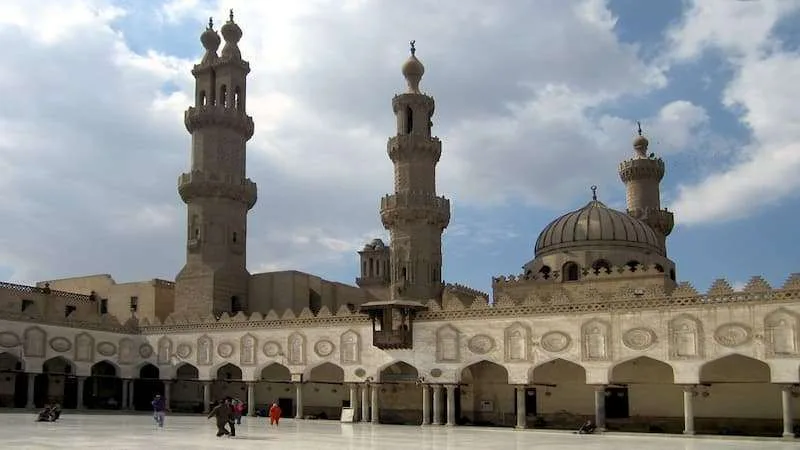
Advanced Expertise in Classical Islamic Text
- Develop profound understanding of classical Islamic literature.
- Explore chapters from diverse disciplines within classical Islamic theology, fiqh, uṣūl al-fiqh, tafsīr, ḥadīth, and kalām literature.
- Emphasize scrutiny of classical Islamic themes, particularly in the Ḥanafi Sunni schools of jurisprudence.
- Compare and contrast concepts relevant to contemporary contexts.
Specialized Knowledge in Contemporary Sciences and Islamic Literature
- Foster advanced understanding of modern sciences and contemporary fields.
- Apply an academic approach to Islamic ethics and contemporary Islamic literature.
- Critically analyze various facets of contemporary tafsir, kalam, fiqh, and uṣūl al-fiqh literature.
- Contextualize studies within anthropological, sociological, and philosophical paradigms influencing modern Islamic practice.
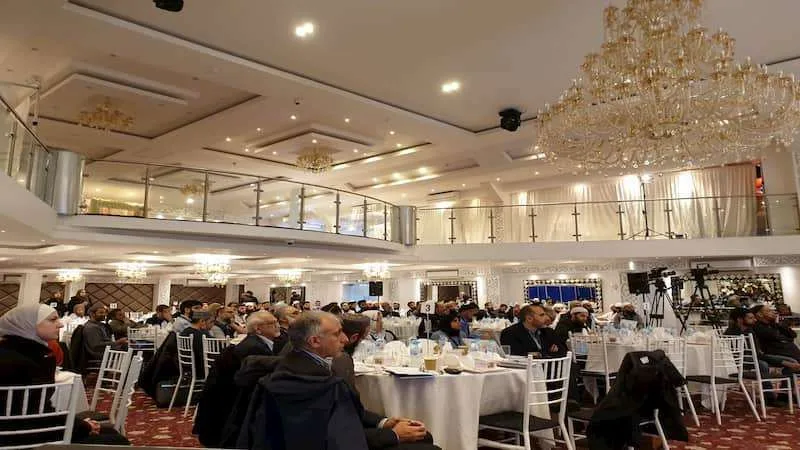
Research, Analytical Skills, and Application of Islamic Tradition
- Develop advanced research skills and critical analysis abilities.
- Attain high standards in contemporary academic literature writing and advanced delivery.
- Engage in research, learning, and exploration of concepts, theories, and principles in Islamic sciences.
- Understand the profound impact of Islamic tradition on both conventional and contemporary issues.
Personal, Professional, Spiritual, and Academic Skills Development
- Cultivate essential skills for Muslim scholars.
- Participate in skills-based courses to identify and address strengths and weaknesses.
- Emphasize enhancing spiritual self-reflection, emotional literacy, effective communication, and presentation skills.
Contribution to Future Leadership in the Islamic Tradition
- Nurture a new generation of Muslim scholars proficient in various Islamic disciplines.
- Equip scholars to address post-modern world issues through a multidisciplinary approach.
- Guide, identify, analyze, and resolve challenges in theology, philosophy, and anthropology.
- Contribute to the revival of the spirit of Islam in academic literature, committees, and allied industries.
Platform for Networking, Career Guidance, and Internship
- Provide opportunities to connect with internationally recognized Muslim scholars and subject experts.
- Offer professional and spiritual guidance.
- Aim to create a new generation of ‘ulama’ capable of leading the Ummah and making a global impact.
- Facilitate networking and internship opportunities to further students' practical experiences.
Programme structure & format
How you'll learn
The programme will be delivered in a series of live online classes, tutorials, presentation based lectures, textbook-based traditional lectures, seminars, and workshops, all delivered live online. The recordings will be uploaded onto our Albalagh student’s learning portal (24/7 Accessibility from a web browser and Mobile App) for students to review and revise at their own pace and convenience.
Classical Texts
Students will study the classical texts from beginner level to advanced levels to gain familiarity with classical books on multiple disciplines written by renowned Shariah scholars. Students will explore over 100+ classical textbooks during the programme.
Presentation Based Lectures
There will be many courses every semester that will be delivered through presentations to support easier learning and to assure that students who learn visually can benefit.

Live Online Sessions
There will be regular weekly live interactive online classes to discuss topics raised with case studies where appropriate. You are encouraged to discuss cases during the live interactive sessions, ask questions and raise important points for feedback. This interactive session will be a key component of the learning process and the more you can engage with your lecturer, the more productive and enjoyable your learning will be.
Video Recordings
The live session will be recorded, and you can access these recordings on the website. This will make it easy for students to revise and make notes later.

Online Course Material
In every course, your lecturer will suggest further reading material that you can review, print, read, and engage with, prior to the live session. This course material may be in the form of articles, case scenarios with questions, or recorded videos.
Discussion with Fellow Learners
Discussion with fellow learners is another important component of your development. In our course-specific WhatsApp groups, and our regular online Muzakarah sessions, students can review their course material and class with other learners, and share ideas with fellow students.
Students Seminars
Regular participation in seminars will develop thinking, presentation and public speaking skills. (Students will learn to produce presentations and present via seminars, whilst presenting their arguments. This will be an excellent opportunity to receive constructive feedback.
Flexibility
Built to fit your life
4 Levels
The Online Alimiyyah programme has been divided into 4 levels. You must attain the required credit points in each Semester to complete Year I,II, III, IV. Upon successful completion of every level, students will be awarded a certificate to acknowledge their academic achievement. We follow a modules system, so classes carry some flexibility: students may drop a few classes in a semester after discussing it with their mentor, though this can lengthen the time taken to complete the programme.
Core Courses & Elective Courses
In every semester, there will be Core and Elective Courses. Your mentor will guide you on your course selection after a detailed assessment of your profile. Students can also apply for exemption from core courses if they can demonstrate that they have completed these courses/subjects before, or have the required level of knowledge.
Flexible Medium Of Learning
Online education has enabled pursuing almost every course and programme easy. Students can attend the live classes from the comfort of their home and complete their sacred journey of Islamic learning without compromising on other commitments.
Attendance Requirement
Attendance (a minimum of 50% attendance) is mandatory in the live online sessions of all core courses.
24/7 Access to Video Recordings
Video recordings for every live session will be available within 48 hours on students’ course dashboard for revision and convenience.
Mobile App
Students can get access to the course content on the go, using Albalagh mobile app and complete the coursework from anywhere and at any time.
Exemption
Students with advanced knowledge or experience in the related subjects can apply for exemption for certain courses to select the next level courses in that subject.
Personalised mentorship
After enrolment the academic support team assesses your profile and drafts a personalised learning plan from it. Your mentor guides you on course selection and every course-related question thereafter.
Certification & Ijāza
What you'll be awarded
The programme is divided into four levels. On successful completion of each level, students are awarded a recognised certificate — culminating in the ʿĀlimiyyah ijāza.
الشهادة الثانوية العامة في العلوم الإسلامية واللغة العربية
First level · ʿĀlimiyyah Foundation
الشهادة الثانوية الخاصة في العلوم الإسلامية واللغة العربية
Second level · ʿĀlimiyyah Intermediate
الشهادة العالية في العلوم الإسلامية واللغة العربية
Third level · ʿĀlimiyyah Advanced
الشهادة العالمية و الإجازة العالية في العلوم الإسلامية
Final level · Dawrah Ḥadīth
Admissions
Entry requirements
Eligibility criteria
- 16+ years of age.
- Fluent in the English language.
- Must have completed the Pre-Alimiyyah Foundation Course, or one semester of our Mastering Arabic Level-1 or Diploma in Islamic Studies Programme.
Note — Students are expected to know the Arabic alphabet & be able to read the Qur’an fluently.
Note — Timings given on website are of beginner level classes. Advanced students classes timings can be different as we have limited students from different timezones, hence you are advised to expect flexible schedule for advanced classes. You can also add details of all your available timings in the application form so that Admission team can update you if we are planning to offer advanced classes in your suitable time frame.
The programme is exclusively tailored to provide students with an opportunity to develop advanced expertise in Islamic Sciences in a short period.
Currently, we are accepting applications for Level 1, but If you are interested in Level 2 or Level 3 and have prior qualification in the field based on pursuing Alimiyyah or Arabic programme elsewhere, then kindly include information of your prior study subjects history in detail and attach the transcripts in the application. After receiving your application, our admission team will make a decision based on your merits and also arrange assessment meeting after your enrollment.
Advanced classes are suggested based on your proficiency assessment meeting with Ustad/Ustadah
Application process
For direct entry, apply and attach all supporting documents as outlined in the admission requirements. The admissions team will assess your application and advise on next steps. Applying for Level 2 or Level 3? Include your prior study history in detail and attach transcripts — the team decides on merit and arranges an assessment meeting after enrolment.
Admissions support
Frequently Asked Questions
The programme5
What are the foundational components of the Alimiyyah Programme, including its Curriculum Streams? Furthermore, could you elaborate on the distinctive avenues the program provides for spiritual growth?
The essential building blocks of the Alimiyyah program consist of:
The Alimiyyah programme is structured into four levels, each comprising multiple semesters. These levels form the foundational structure of the program, guiding students through increasingly advanced studies.
A semester is a defined period of academic study, typically lasting around six months, during which students engage in focused study. Each level contains multiple semesters, providing a structured framework for progression. With two semesters per year, students advance through the program systematically.
Modules represent individual subjects or classes within each semester. These modules cover diverse topics such as Arabic Grammar, Fiqh, Quran Studies, Hadith Studies, and others.
(A suggestive depiction of levels, semesters, and modules)
Curriculum Streams:
Curriculum streams are dedicated streams within the following list of disciplines, consisting of Islamic Studies and Arabic-centric subjects. Each curriculum stream comprises multiple modules, and each level of the Alimiyyah programme features a balanced dedication of modules from each stream.
Streams:
- Aqidah & Islamic Theology
- Quranic Studies
- Hadith Studies
- Fiqh & Contemporary Fiqh Studies
- Arabic Language*
- Seerah and Islamic History
- Logic (Mantiq)
- Tazkiyah Studies
- Tajwid & Hifz
- Western Studies
(Curriculum Stream of the Alimiyyah Programme)
* As a prerequisite before joining the Alimiyyah Programme, students are expected to know the Arabic alphabet & be able to read the Qur’an fluently.
Opportunities for Spiritual Growth: Additionally, our program features flagship Tazkiyah-centric modules, meticulously designed to suit the diverse backgrounds and learning styles of our students. These modules integrate a harmonious blend of traditional wisdom and contemporary methodologies, facilitating not only the acquisition of knowledge but also the cultivation of spiritual well-being. By offering personalized guidance and resources, we aim to nurture a profound understanding of spirituality, enabling students to embark on a transformative journey towards holistic Islamic education and personal enlightenment.
Do both full-time and part-time students need to complete all four levels of the Alimiyyah program? Additionally what sets these two student types apart from each other?
Yes, whether a student is full-time or part-time, they all have to complete all four levels to finish their Alimiyyah program.
The difference between the two types of students lies in the duration of their completion. A part-time student completes their Alimiyyah in 16 semesters, spanning across 8 years, whereas a full-time student completes it in 10 semesters, spanning across 5 years.
- Regarding the difference between the 2 types of students: For Full-Time students: the Alimiyyah Foundation, spanning two semesters; the Alimiyyah Intermediate, covering three semesters; the Alimiyyah Advanced, also comprising three semesters; and finally, the Daurah Hadith, which spans two semesters. Thus coming to a total of 10 semesters completed in 5 years.
(Full-Time Alimiyyah Programme Track)
- For Part-Time students: the Alimiyyah program includes four semesters each for the Alimiyyah Foundation, Alimiyyah Intermediate, Alimiyyah Advanced, and Daurah Hadith, totaling 16 semesters completed over 8 years.
(Part-Time Alimiyyah Programme Track)
Why are full-time students able to complete their Alimiyyah program sooner than part-time students? Do both types of students cover the same modules in their program or do full-time students cover more, thus making their Alimiyyah more comprehensive?
Full-time students are able to complete their Alimiyyah program sooner than part-time students because they commit to a larger number of weekly hours for modules. Consequently, they cover more modules in a single semester.
Regarding the types of modules covered by the 2 different types of students, both types of students cover the same modules and content in their Alimiyyah Programme. We maintain consistency across both full-time and part-time students, ensuring that the syllabus remains uniform regardless of the mode of study.
How are the classes delivered? Additionally, is there any opportunity for direct interaction with scholars?
Classes are delivered live online and include a mix of tutorials, presentation-based lectures, textbook-based traditional lectures, seminars, and workshops. Recordings of these sessions are made available on Darul Uloom Al Balagh student’s learning portal for 24/7 access from both web browsers and the Mobile App.
Regarding direct interaction, Yes, students have the opportunity to join Al Balagh's Exclusive annual residential camp. This optional component allows for spiritual development through direct interaction with world-renowned scholars.
Are the course structure, content, and schedule guaranteed to remain the same?
Every effort has been made to ensure the accuracy of our published course information. However, our programmes are subject to ongoing review and development. Changing circumstances may cause alteration to, or the cancellation of, courses. Changes may be necessary to comply with the requirements of relevant bodies or revisions to subject benchmark statements. We may also make changes to keep courses updated and contemporary, or as a result of student feedback. We reserve the right to make variations if we consider such action to be necessary or in the best interests of students.
Joining at an advanced level3
I think I’m at an advanced level as I have completed it partially in the past. What is the way forward?
The programme is exclusively tailored to provide students with an opportunity to develop advanced expertise in Islamic Sciences in a short period.
Currently, we are accepting applications for Level 1, but If you are interested in Level 2 or Level 3 and have prior qualification in the field based on prior study history in the Alimiyyah or Arabic programme from elsewhere, then kindly include information of your prior study subjects history in detail and attach the transcripts in the application. After receiving your application, our admission team will make a decision based on your merits and also arrange an assessment meeting after your enrollment to get you enrolled in the correct level/year of Alimiyyah Programme.
How long does it take for an advanced student to receive a decision on which level will be offered?
The final decision on which level will be offered, based on your assessment and prior examination record, can take weeks to complete due to the high influx of students during our enrollment weeks. Therefore, we encourage all students to apply as soon as possible to ensure timely processing of their applications.
How are advanced classes determined in the Alimiyyah programme, and how does course selection work each semester?
Advanced classes in the Alimiyyah programme are suggested based on your proficiency assessment conducted during a meeting with the Evaluation & Assessment Team. Each semester offers Core and Elective Courses. The Evaluation & Assessment Team will provide guidance on course selection after thoroughly assessing your profile. Additionally, students have the opportunity to apply for exemption from core courses if they can demonstrate prior completion of these courses or possess the necessary level of knowledge.
Timetable and time zones5
I saw the timings on the website and I’m confused if it will suit my schedule/timezone. What do I do?
The timings listed on the website are primarily for beginner-level classes. However, for advanced students, class timings may vary and can be scheduled anywhere from 10 am to 9 pm UK time on Saturdays and Sundays. A more specific timetable will be shared closer to the launch date. Therefore, we recommend maintaining flexibility in your expectations regarding class timings.
If you find yourself unable to enroll in all the modules offered to you, there's no need to worry. You should select only those modules for which you can ensure a minimum of 50% live attendance. Modules where this commitment isn't feasible can be postponed to future semesters.
It's important to note that depending on the number of modules you choose to take per semester, your overall trajectory for completing the Alimiyyah programme will be affected. Therefore, we advise all students to carefully consider their module selection and its impact on their academic journey.
I can't take all my classes on weekends. Can I draw some classes from weekdays?
Apologetically No. Students must remain in their designated track, either Weekend or Weekday, and are not permitted to mix classes between the two tracks. However, it is possible to switch tracks entirely, meaning a student who initially enrolled in the weekday track but wishes to shift to the weekend track can do so. However, such a shift must be done as soon as possible. Additionally, students should be aware of the starting months for each track:
- Weekday tracks start in February and September of every year
- Weekend tracks start in November and May of every year (However, please note that occasional changes may occur in the launch dates. For the most recent launch dates or any updates, please feel free to contact our team for assistance.)
If students intend to switch from one track to another, they must do so at a time when the new semester for the intended track is set to begin.
Is the programme suitable for those unable to attend live sessions?
Unfortunately, the program does not accommodate students who are entirely unable to attend live sessions. However, all live sessions are meticulously recorded and promptly uploaded onto the Darul Uloom Al Balagh learning portal for convenient access. It is imperative for students to maintain at least 50% live attendance as we do not provide provisions for students who solely rely on recordings without any live participation or presence in the class. We strongly encourage and deem it necessary for students to have active participation and presence in live sessions, considering the sacredness and nature of the studies involved.
How many study hours do we have to dedicate as a part-time or a full-time student?
PART-TIME STUDENTS: For part-time students, we advise allocating specific hours per week / weekend for live classes. Additionally, we suggest dedicating additional time for revision and self-study. - It's essential to recognize that each student possesses unique strengths and abilities, so their required study hours may vary accordingly.
FULL-TIME STUDENTS: For full-time students, we advise allocating specific hours per week / weekend for live classes. Additionally, we suggest dedicating additional time for revision and self-study.
- It's essential to recognize that each student possesses unique strengths and abilities, so their required study hours may vary accordingly.
Concerned about Flexibility?
We provide a 100% Money Back Guarantee for the First 4 Weeks. Join us today for a secure and enriching experience in Islamic learning! You can review our Refund policy HERE!
Assessment and certification3
What are the exam categories on which my evaluation will be done?
Examinations can fall into 1 of 2 categories, depending on the discretion of the teacher and the subject type.
1) Self-Paced examinations: Students can start and finish the exam whenever they want within the set time frame. This means that you can take as much time as you need to complete the exam, or you can complete it quickly if you feel confident.
2) Timed examinations : Students shall be given a fixed amount of time to complete the exam. In timed examinations, students must manage their time carefully in order to complete all the questions within the allotted time frame. The exam is usually proctored and sufficient time shall be given for attempting the exam.
Here are further details:
- Assessments 1 & 2:
Online and self-paced assessments for Assessments 1 and 2 are conducted without live written or live verbal tests. These assessments are administered through the student Learning Management System (LMS) by the examination and administrative team. Students typically have an average of 3-4 weeks after the release date to attempt the assessments.
Syllabus Demarcation:
- The syllabus for Assessment 1 covers material from Week 1 to Week 5, though this timeline may slightly vary according to instructor discretion.
- Similarly, the syllabus for Assessment 2 encompasses material from Week 6 to Week 10, with potential variations based on instructor discretion.
Percentage Weightage Allocation:
- In terms of weightage, Assessment 1 accounts for 15% of the overall grade,
- While Assessment 2 carries a weightage of 25%.
2. For Final Exams:
For Final Exams, the examinations will be conducted online, live, and proctored. These exams are administered through the student Learning Management System (LMS) by the examination and administrative team.
Students are allotted an average of 2-3 hours per exam paper to attempt their exams in a proctored environment.
It's important to note that the camera must be turned on for the entire duration of the exam. Therefore, students need to have access to a camera and adequate audio for the exam.
Syllabus Demarcation:
The syllabus for the Final Exam covers material from Week 11 until the Concluding Week of the semester.
Percentage Weightage Allocation:
In terms of weightage, the Final Exam carries a significant weight of 60% towards the overall grade.
What are the attendance requirements and policies at the academy?
Attendance is crucial for success in our programs. Here's a brief overview of our attendance policies:
- Regular Attendance: We expect and encourage regular attendance for all classes. Attendance is recorded and factors into evaluations of responsibility, participation, and progress.
- Unauthorized Absences:
- Short-term: Missing class for two consecutive weeks without approval may result in temporary access revocation (temporary removal of the student's access to classes, course materials, LMS, or other educational resources until the issue is resolved). Extended: Four weeks of continuous unapproved absence leads to enrollment suspension. Re-admission is required to continue studies.
- Authorized Absences : For any planned absences, prior authorization is needed. Notify your support group in advance with valid reasons and necessary documentation.
- Subject-wise Attendance: A minimum of 50% live class attendance is required per subject to be eligible for final exams. This policy is strictly enforced, with regular attendance audits conducted by the administrative team to ensure compliance.
- Semester-wise Excused Absences : The policy regarding allowed excused absences varies based on the academic level of the students enrolled in the program. Level 1 students are permitted up to 50% excused absences, Level 2 students up to 30%, and Level 3 students up to 20%.
It's important to note that exceeding these allowable absences may result in disciplinary action being taken by higher management. This policy is in place to ensure that students maintain consistent attendance and engagement with their teachers and studies throughout their academic journey.
Emergency Absences : In emergencies, inform your support group/admin as soon as possible to make necessary accommodations and keep your academic progress on track.
When do I receive the Certificate/Ijazah?
The Alimiyyah programme is divided into 4 levels.
Upon successful completion of the first level, students will be awarded: الشهادة الثانوية العامة في العلوم الإسلامية واللغة العربية
Upon successful completion of the second level, students will be awarded: الشهادة الثانوية الخاصة في العلوم الإسلامية واللغة العربية
Upon successful completion of the third level, students will be awarded: الشهادة العالية في العلوم الإسلامية واللغة العربية
Upon successful completion of the final level, students will be awarded: الشهادة العالمية و الإجازة العالية في العلوم الإسلامية
Your classroom and support6
When will I have access to the learning portal?
Upon successful enrollment, you will get access to Darul Uloom Al Balagh , Al Balagh Academy’s advanced online learning portal. Login details and important contact information will be provided to your registered email address. We recommend joining classes from a laptop/desktop computer for better visibility and learning experience.
Student access is of 2 types:
- Main class/batch access: Students get access to their batch's main class on the LMS within 24-72 hours. This section of the LMS includes various policies and guidelines essential for every student to read through, understand, and acknowledge.
- Module access: The second access type is for the specific modules for the semester that students have registered for. Every module will have its own access point, where class links, session summaries, notes, presentations, etc., will be uploaded as the weeks go by. This access is given after the orientation session week concludes.
Orientation session week: There will be an orientation week organized in the first week of the Programme to make students comfortable with the LMS platform, programme structure, schedule, instructors and peers. All support materials like the LMS Guide, Student Guidelines Handbook etc will be uploaded by the admins on the LMS for easier understanding. Additionally, students enrolled in the Alimiyyah Programme will maintain access to their modules and related information on the Learning Management System (LMS) throughout their enrollment period. However, should a student withdraw or become unenrolled for the semester, access to their previous modules will be discontinued.
DUA - Darul Uloom AlBalagh
Can I access the course content at any time? And Is there a mobile app for accessing my courses?
The recordings of live sessions are uploaded onto our Darul Uloom Al Balagh student’s learning portal, providing 24/7 accessibility from both a web browser and the Al Balagh Academy Mobile App, enabling students to review and revise at their own pace and convenience.
Regarding a mobile App: Absolutely! We've got you covered for on-the-go learning with our newly updated mobile app. Gain maximum flexibility in your learning journey by accessing your courses anytime, anywhere. Simply click on the links below to download the latest Darul Uloom Al Balagh App tailored to your device:
- For Android users: Download from the Google Play Store
- For iOS users: Download from the App Store
Dive into a world of convenient and accessible learning today!
Do we have WhatsApp groups for communication?
Certainly! We've established a dedicated Student Support Group on WhatsApp to serve as your primary communication channel throughout your journey with us.
Following your Orientation week and completion of class selection, you'll be automatically added to your respective Module-wise "Groups" on the Darul Uloom Al Balagh Learning Portal. These groups will provide you with invaluable support and connectivity with fellow students, ensuring a smooth and enriching learning experience.
What is the structure of the onboarding programme?
Kindly note that we will be following these steps for completing the Al Balāgh Online ʿĀlimiyyah Programme Student Onboarding (after the official start date).
Step 1: Creation of WhatsApp Personal Support Group: A WhatsApp Personal Support Group will be established, with select members of the admin team added to assist you.
Step 2: Schedule Sharing: Students will be provided with their schedule based on the batch they have selected for enrollment.
Step 3: Access Provision: Upon schedule sharing, module-wise access will be granted. Modules will become visible on the Darul Uloom Al Balagh portal ( https://dua.albalaghacademy.org/user_dashboard ) within 1-2 days after the schedule has been shared.
Step 4: Module-Wise Groups: Module-specific groups will be available within the portal for each class. Students are encouraged to join these groups for class-related discussions after gaining access to their respective classes.
Support and Queries: Should you have any inquiries regarding the enrollment process or require assistance, feel free to reach out immediately within your support groups.
Scholarship Support: Al Balagh Academy values seekers of knowledge more than anything. Please visit here to apply for a scholarship. Our team will assess your application and respond in 2-3 working days.
What is the mentoring programme and who can participate in it?
We understand that pursuing Alimiyyah studies can present various challenges, despite the presence of dedicated support groups within our institution. Therefore, we take an extra step by offering individualized mentoring to ensure that our students receive the assistance they need to thrive academically, personally and spiritually. The mentoring programme is designed specifically for our Alimiyyah students, offering dedicated mentors throughout their semesters. These mentors provide personalized advice and guidance to students as they navigate through their academic journey.
Additionally, there are no additional fees required for accessing mentoring services. Mentoring support is included as part of your enrollment in the Alimiyyah programme.
The areas in which the mentors can assist their mentees are as follows: In today's fast-paced and demanding academic environment, ensuring the success and well-being of our students is a top priority.
- Mentors offer guidance on time management and coping strategies, reducing the risk of burnout and dropout rates.
- One-to-one mentoring provides personalized support, aiding students in navigating challenges more effectively.
- Mentoring sessions offer a confidential space for students to discuss concerns and learn healthy coping mechanisms.
- Mentors provide valuable insights for spiritual development, benefiting students in their educational journey.
- Guidance from mentors empowers students to overcome obstacles and stay committed to their academic pursuits.
Will I get notification for live sessions?
You will be able to view all course wise live session details including joining links on your Darul Uloom Al Balagh Portal calendar(students are advised to join classes from the LMS directly). If you find any difficulty with the link/calendar students are advised to contact their respective support groups; where our dedicated support team will ensure that their problem gets resolved at the earliest.
Regarding General Help: 1) If you have questions about your ongoing classes, assessment matters, or IT/technical issues, please reach out to us through your respective Support groups only . (Please Note: It may take 2-3 days for our team to resolve the issue due to the volume of students.)
2) If you're interested in joining a different course/programme and need information, please get in touch with our admission team:
Email support: info@albalaghacademy.org
WhatsApp Support: http://wa.me/447946835804
September 2026 intake
Sacred Knowledge.
Timeless Impact.
An advanced, specialist path: training scholars to engage modern questions from their classical roots.
£600per year · Part-Time. Pay in full or 12 monthly instalments (from £62.50/mo). Full-Time £1,200/yr.
Apply now- Completely online
- Flexible
- 8+ Weekly Hours