

Hadith Studies · Foundational
The Principles of Dream Interpretation in Islam
Discover the wisdom and scholarly principles behind Islamic dream interpretation — grounded in classical texts and ethical reflection.
✦ Live scholarly teaching with guided learning support
Enrol now ● Live online course
Course overview
About this course
This beginner-level course explores the Islamic science of dream interpretation (taʿbīr al-ruʾyā) based on foundational Islamic texts, with a particular focus on the renowned classical work popularly attributed to the tābiʿī and early Muslim scholar Muḥammad Ibn Sīrīn (rahimahullah). While Islamic dream interpretations are commonly linked to his legacy, this course carefully examines the historical context, key themes, and interpretive principles that have shaped this unique discipline.
The Art of Dream Interpretation is among the first structured online programmes designed to introduce students to the ethics, boundaries, and methodologies associated with understanding dreams in Islamic tradition. It offers a reflective overview of dream-related content in the Qur’ān and Sunnah, explores the symbolic language found in historical sources, and highlights the cautions issued by scholars regarding interpretation.
The course does not train participants to become dream interpreters. Instead, it aims to offer valuable insights into how the early Muslim community approached dreams, the types of dreams recognised in Islam, and how classical and modern scholars have understood their spiritual and psychological relevance. It also includes lessons from rare and significant dreams reported in Islamic history, including those of the Prophets (‘alayhim as-salām), while placing emphasis on the proper adab (etiquette) in discussing or sharing dreams.
This course is particularly beneficial for Muslims seeking a deeper appreciation of Islamic knowledge, as well as for students, professionals, and researchers interested in cultural studies, spirituality, and the intersection of Islam and psychology.
Lessons Learnt and Future of Dream Interpretation
Dream interpretation is one of the earliest sciences of knowledge revealed to humankind. There are many questions scholars address in relation to dreams, like the principles of how to interpret your dreams, who witnesses the dream, the soul or the self, what does it mean to see oneself doing something unnatural and what is the difference between true and false dreams. This course has been specifically designed to provide the response to these questions and more.
In Islam, dreams are seen as a form of spiritual perception. Dream interpretation is also generally termed, ‘‘tafsir’’ or ‘‘ta'bir’’. Multiple Muslim intellectuals and philosophers have devised various Islamic dream interpretation theories and observations over the past 1400+ years. Many of these reflections and statements match with many recent theories and ideas proposed by modern psychologists associated with the psychology of mind.
Muhammed Ibn Sirin, the most popular dream interpreter in the history of Islam, formulated a framework for dream interpretation, with both Hadith and the Qur’an as its foundation. There are false attributions to him and those which are true. It is important to be able to differentiate the two. One thing is sure, there is valuable psychological and spiritual importance of a true dream experience. According to Ibn Sirin, the interpretation of a dream depends entirely on the dreamer’s life circumstances and personal characteristics, along with the meaning of the dream. The Prophet Muhammad (PBUH) classified these dreams when he informed us, “There are three types of dreams: a righteous dream which is glad tidings from Allah, the dream which causes sadness is from Shaitan and a dream from the ramblings of the mind.”
This beginner-level course is a must-attend for professionals, intellectuals, psychologists, Muslim scholars, students, and people from different walks of life who have an interest in understanding Islamic perspectives on dream interpretation.
Course Objectives
- Explore the life of Ibn Sirin as an authority in dream interpretation and whether current works are his
- Understand the key attributes of a dream interpreter
- Explore scholarly discussions on the Islamic fiqh boundaries of dream interpretation — what was historically accepted or cautioned against.
- Examine classical Islamic etiquette in reporting or listening to dreams, based on prophetic guidance and scholarly commentary.
- Examine dreams using proper names, context, and traditions
- Understand how scholars historically approached symbolic interpretation, including frameworks like contraposition and contextual correlation
Learning Outcomes
- Know about the life of Ibn Sirin and his authority in dream interpretation
- Recognize the key attributes of a dream interpreter
- Acknowledge the Islamic fiqh rulings on dream interpretation
- Realize the art of relating one’s dream and the art of receiving someone’s dream
- Understand scholarly methods of interpreting dreams using names, contexts, and traditions as illustrative tools.
- Gain an understanding of the concepts of Interpretation by Contraposition and Correlation
Batches
- Enrolment openNext batch
November 2026 intake · Saturdays, 12PM - 1PM (London, UK)
- Starts7th November 2026 – 7th February 2027
Curriculum
What you will study
A connected sequence from first principles to contemporary questions. Open a unit to preview its lessons.
- What dream interpretation (tafsīr taʿbīr al-ruʾyā) is and why it matters
- The three types of dreams: ruʾyā ṣāliḥah (from Allah), ḥulm (from Shayṭān), aḍghāthu aḥlām (mixed/subconscious)
- Dreams in the Qur’an: Yūsuf, the King; Ibrāhīm (as-Ṣāffāt 37:102); sign of sleep (ar-Rūm 30:23)
- Dreams in ḥadīth; early community practice
- Practical etiquette (overview): positivity, context, discretion
Your learning experience
Designed for serious study, wherever you are
Follow a clear sequence, learn directly from course contributors and revisit your notes as ideas build from session to session.
- Live online learning with scholarly teaching
- A structured path through 13 connected modules
- Learning support from the academy course team
- Study from home with a clear weekly rhythm
Questions about studying online?
The academy team can help with course access and learning enquiries.
Our teachers
Meet our scholars & experts

Syed Huzaifah Ali Nadwi
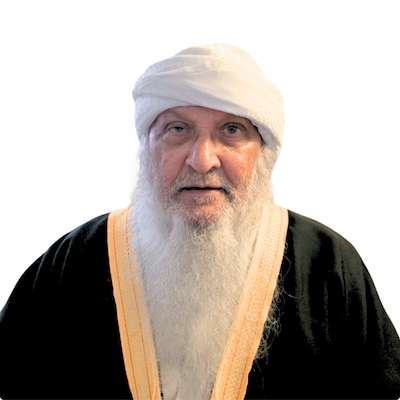
Professor Dr. G. Hussein Rassool
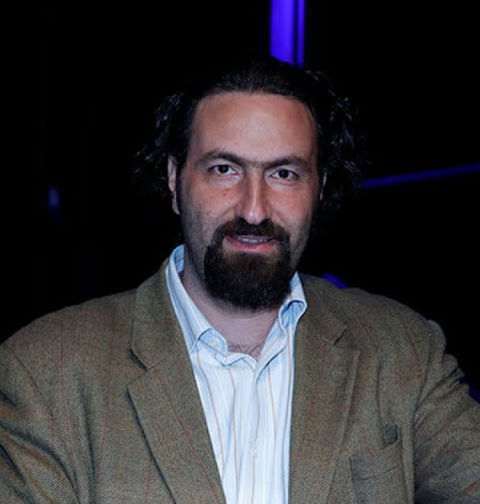
Dr Samir Mahmoud
Pursue beneficial ‘ilm
A thoughtful place to begin
Live and self-paced options available worldwide